
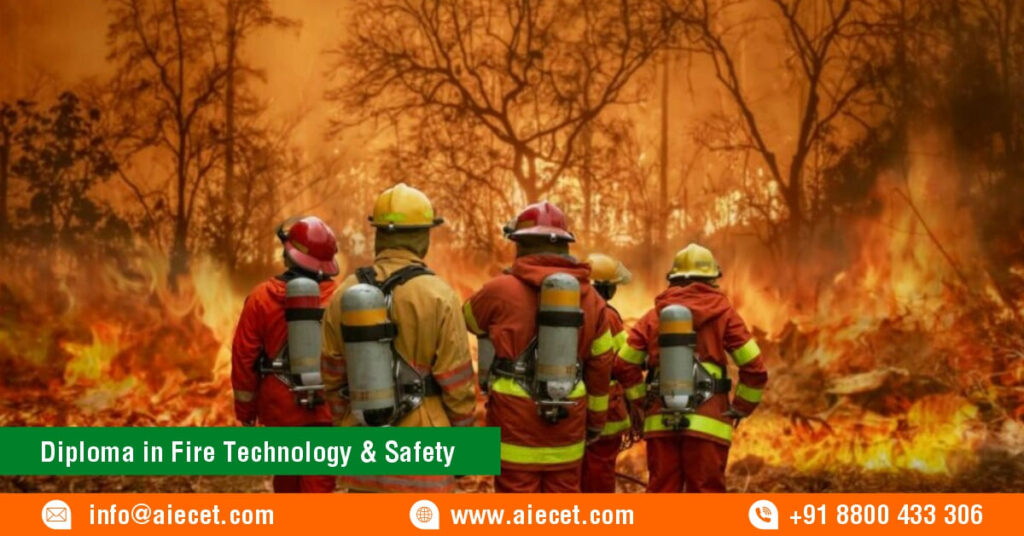
Diploma in Fire Technology & Safety: Secure Your Future
Posted on : 2 May, 2025 3:54 pm
In an age where safety is paramount, the demand for skilled professionals in fire technology and safety management has soared. Whether it’s residential buildings, factories, oil refineries, or commercial establishments, the need to ensure fire safety and emergency preparedness has made this sector vital. A Diploma in Fire Technology & Safety is more than just a technical qualification—it’s a commitment to protecting lives, property, and the environment. This blog explores how this diploma can be your gateway to a secure and rewarding career.
What is a Diploma in Fire Technology & Safety?
A Diploma in Fire Technology & Safety is a specialized course that equips students with the knowledge and skills required to prevent, manage, and respond to fire hazards and emergencies. The curriculum combines theoretical learning with hands-on training in fire safety engineering, risk assessment, disaster management, and emergency response.
The program typically spans 1 to 2 years, depending on the institution and course structure, and is designed to create professionals who can work in diverse environments—from industrial plants to government agencies.
Why Choose Fire Technology & Safety as a Career?
1. High Demand and Job Security
Fire safety is a legal requirement in most sectors. Organizations are mandated to follow strict fire safety guidelines, creating a continuous demand for fire safety officers, inspectors, and engineers.
2. Diverse Career Opportunities
Graduates can find employment in multiple sectors, including:
-
Oil and gas industry
-
Chemical plants
-
Construction companies
-
Airports and aviation
-
Railways and metro projects
-
Fire brigades and rescue services
-
Government safety departments
3. Contribution to Society
This career path allows you to make a tangible difference in people’s lives by ensuring their safety and preparedness during emergencies.
4. Global Opportunities
Fire safety professionals are in demand globally. With additional certifications, you can work in countries like the UAE, UK, Canada, and Australia.
Core Subjects and Skills Covered
A diploma in this field covers both fundamental science and applied safety techniques. Core subjects include:
1. Fire Engineering Science
Covers combustion theory, fire behavior, and suppression systems.
2. Industrial Safety
Deals with risk analysis, safety audits, hazard identification, and the use of personal protective equipment (PPE).
3. Fire Prevention and Protection Systems
Focuses on fire alarms, sprinkler systems, smoke detectors, and fire extinguishers.
4. Emergency Planning and Disaster Management
Teaches evacuation procedures, first aid, and disaster response strategies.
5. Environmental Safety
Discusses pollution control, chemical hazard management, and environmental regulations.
6. Practical Training
Students often participate in fire drills, mock disaster management programs, and real-time simulations to build hands-on skills.
Eligibility Criteria
To enroll in a Diploma in Fire Technology & Safety, candidates usually need:
-
A minimum educational qualification of 10th or 12th grade pass from a recognized board.
-
Some institutions may also require a medical fitness certificate due to the physical nature of the job.
-
No age restrictions in most institutions, but candidates should be physically and mentally fit.
Duration and Course Structure
The diploma course is typically offered in two formats:
-
1-year Full-Time Diploma: Intensive training for quick job readiness.
-
2-year Diploma: More comprehensive, often with internships or on-site training.
Some institutions also offer part-time or distance learning options for working professionals.
Top Institutes Offering the Course in India
Several reputed institutions across India offer diplomas in fire safety:
-
National Fire Service College (NFSC), Nagpur
-
Institute of Fire and Safety Engineering, Nagpur
-
Delhi Institute of Fire Engineering
-
Indian Institute of Fire Engineering, Nagpur
-
RIMS (Regional Institute of Management and Safety)
Many polytechnics and private institutions also offer this diploma with practical training and industry partnerships.
Career Paths After Completing the Diploma
The diploma opens up a wide range of career opportunities. Common job roles include:
1. Fire Safety Officer
Responsible for ensuring compliance with fire safety laws and conducting regular safety audits.
2. Fireman/Rescue Operator
Works in municipal fire departments or emergency response teams.
3. HSE (Health, Safety, Environment) Officer
Monitors workplace safety in factories, construction sites, or chemical plants.
4. Safety Supervisor
Supervises and educates employees about workplace hazards and safe practices.
5. Fire Protection Technician
Maintains and installs fire safety equipment such as alarms, extinguishers, and sprinkler systems.
6. Disaster Management Specialist
Works with disaster response agencies and NGOs to manage large-scale emergencies.
Salary Expectations
While salary can vary based on location, experience, and industry, here’s a general overview:
-
Entry-Level: ₹15,000 – ₹25,000 per month
-
Mid-Level (3–5 years): ₹30,000 – ₹50,000 per month
-
Senior-Level/Abroad: ₹60,000 – ₹1,20,000 per month or more
In Gulf countries and other international locations, the salary packages are significantly higher, especially in oil & gas and construction sectors.
Certifications That Add Value
After completing the diploma, candidates can enhance their career by pursuing additional certifications such as:
-
NEBOSH (UK-based safety certification)
-
IOSH (Institution of Occupational Safety and Health)
-
OSHA (Occupational Safety and Health Administration, USA)
-
NFPA Certifications (National Fire Protection Association)
These globally recognized credentials improve employability and open doors to international job markets.
Challenges in the Field
While the field is rewarding, it comes with its share of challenges:
-
Physical and Mental Stress: Fire safety jobs often involve high-pressure situations.
-
Exposure to Risk: On-site duties can sometimes involve exposure to hazardous environments.
-
Long Working Hours: Emergency services and safety officers may be required to work long or irregular shifts.
However, with the right training and mindset, these challenges can be managed effectively.
Tips for Success in Fire Technology & Safety
-
Stay Updated: Follow changes in fire safety laws, industry best practices, and technology.
-
Build Communication Skills: Being able to train others and conduct safety briefings is essential.
-
Gain Hands-On Experience: Internships or volunteer roles help build credibility.
-
Network: Join professional safety associations and attend conferences or webinars.
-
Pursue Lifelong Learning: Consider upgrading to a degree in fire engineering or safety management later on.